Everything You Need to Know Before Trekking Indonesia’s Second-Highest Volcano
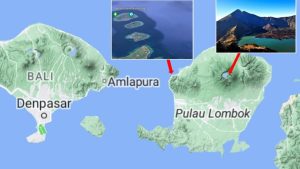
Mount Rinjani (Gunung Rinjani), standing tall at 3,726 meters above sea level, is the second-highest volcano in Indonesia and one of the most breathtaking trekking destinations in Southeast Asia. Located on the island of Lombok, this active volcano offers an unforgettable adventure for nature lovers, hikers, and cultural explorers.
In this ultimate guide, we’ll cover everything you need to know about trekking Mount Rinjani, from the best routes and seasons to what to pack and how to prepare.
Why Trek Mount Rinjani?
-
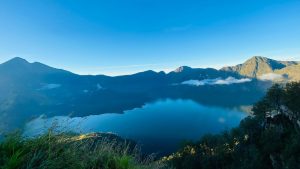
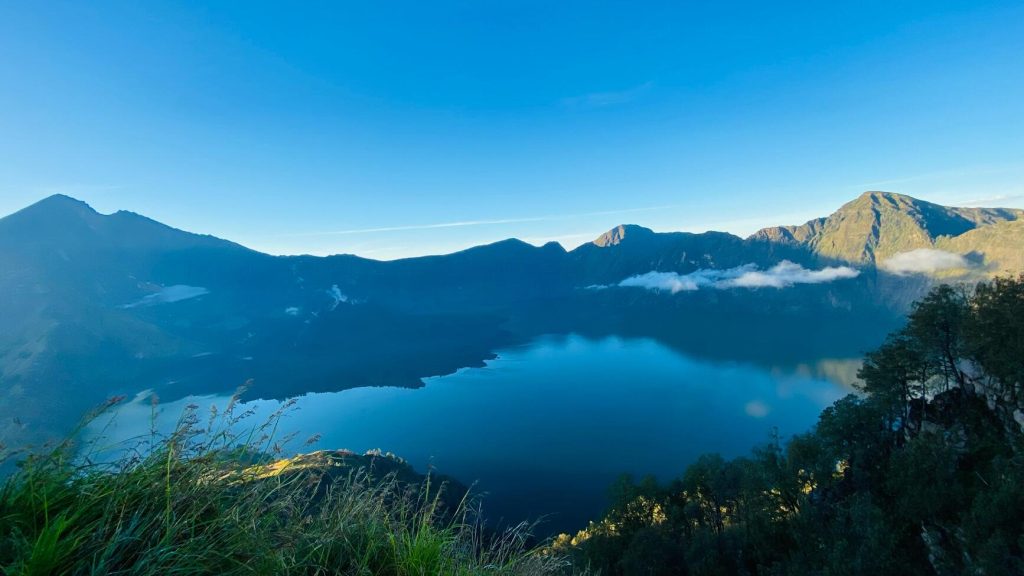
Stunning Scenery: Rinjani’s crater rim offers panoramic views of the Segara Anak Lake, a turquoise volcanic lake nestled within the crater, with the active Barujari cone rising from its center.
-
Challenging Yet Rewarding: The trek is physically demanding but highly rewarding, with sunrises, starry skies, and dramatic volcanic landscapes.
-
Cultural Significance: Rinjani is sacred to the Sasak and Balinese people, often used for religious pilgrimages and offerings at the crater lake.
Best Time to Climb Mount Rinjani
The official trekking season is from April to December, with the dry season (May to October) offering the best weather. The national park is usually closed from January to March due to the rainy season and potential landslides.
Main Trekking Routes
1. Sembalun Route (East)
-
Popular for reaching the summit.
-
Open savannah terrain with steep inclines.
-
Typically used for a 2D1N or 3D2N summit trek.
2. Senaru Route (North)
-
Scenic rainforest trail leading to the crater rim.
-
Ideal for those not aiming for the summit but wanting to see the lake and hot springs.
-
Commonly used for 2D1N crater rim treks or part of the 3D2N summit loop.
3. Torean Route (Alternative Exit)
-
More natural and less crowded.
-
Known for its waterfalls and jungle path.
-
Often used as an exit route after descending from the lake.
Trekking Duration Options
-
2D1N: Crater rim only (Senaru or Sembalun).
-
3D2N: Summit + crater lake + hot springs.
-
4D3N: Full loop (Senaru–Summit–Lake–Torean), recommended for a more relaxed pace.
Physical Preparation
Rinjani is not a casual hike. You should:
-
Be in good physical condition.
-
Practice cardio and leg endurance beforehand.
-
Be mentally prepared for long hours of trekking, steep climbs, and basic camping conditions.
What to Bring
-
Comfortable trekking shoes with grip
-
Warm clothing (temperatures can drop below 5°C at night)
-
Rain jacket
-
Flashlight/headlamp
-
Daypack and water bottle
-
Sunscreen, hat, and sunglasses
-
Personal medications and snacks
Most tour operators provide camping gear, meals, guide, and porters.
Choosing a Trekking Company
Make sure to choose a licensed and ethical trekking company that:
-
Employs local guides and porters fairly
-
Practices eco-friendly trekking (no littering, minimal plastic use)
-
Provides safety equipment and proper meals
-
Supports the local community
We recommend trekking with First Rinjani, as they have excellent reviews and are known for their reliable service and experienced local guides.
Safety Tips
-
Acclimatize properly and don’t rush to the summit.
-
Stay hydrated and protect yourself from the sun.
-
Respect the mountain, wildlife, and local traditions.
-
Always follow your guide’s instructions.
Final Thoughts
Trekking Mount Rinjani is a once-in-a-lifetime experience that challenges you physically and rewards you spiritually. With the right preparation, a good guide, and respect for nature, your Rinjani adventure will be unforgettable.